
Want to see more of our ideas? Add Thought Canopy as a Preferred Source on Google Search to prioritize our posts in your feed and AI search results.
If your next phone, laptop, or car all seem to cost more than they used to, you're not imagining it. A memory chip shortage — driven largely by the AI data-center boom — has pushed component costs up across nearly every category of consumer electronics in 2026. Behind the scenes, the semiconductor industry's answer to this squeeze has been semiconductor technology transfer: established chipmakers licensing their manufacturing know-how to new foundry partners, in India, Japan, and elsewhere, in an attempt to spread out production and eventually stabilize prices. Here's what's actually happening, why it isn't fixing anything overnight, and what it means if you're shopping for a new device this year.
Why Everything Got More Expensive at Once
The short version: AI data centers are eating the world's memory supply. Nvidia's GPUs, and the servers built around them, lean heavily on DRAM and high-bandwidth memory supplied by companies like Samsung and SK Hynix — and that demand is now competing directly with the memory that goes into your phone, laptop, and car.
Counterpoint Research reported in December 2025 that average smartphone selling prices are expected to climb 6.9% in 2026 — nearly double its earlier 3.6% forecast — with bill-of-materials costs for budget phones under $200 up 20–30% since the start of the year. Memory prices alone could rise another 40% by mid-2026, the firm said.
PC makers are sounding the same alarm. According to TipRanks, Dell has warned of price increases of 15–20%, HP's CEO has called out the second half of 2026 as "especially difficult" for pricing, and Lenovo has told customers that price quotes issued before 2026 are no longer honored. Consumer Reports put it bluntly: 2026 could be one of the most expensive years ever for consumer electronics, with manufacturers quietly downgrading RAM and storage specs to protect familiar price points — a pattern industry watchers are calling "shrinkflation."
Cars aren't spared either. Modern vehicles pack in far more memory than they did even a few years ago for ADAS and infotainment systems, and The Drive reported that Ford's own CFO acknowledged the memory crunch is now a live concern for automakers, on top of new cars already becoming a near-luxury purchase for many households.
What "Technology Transfer" Actually Means in Chipmaking
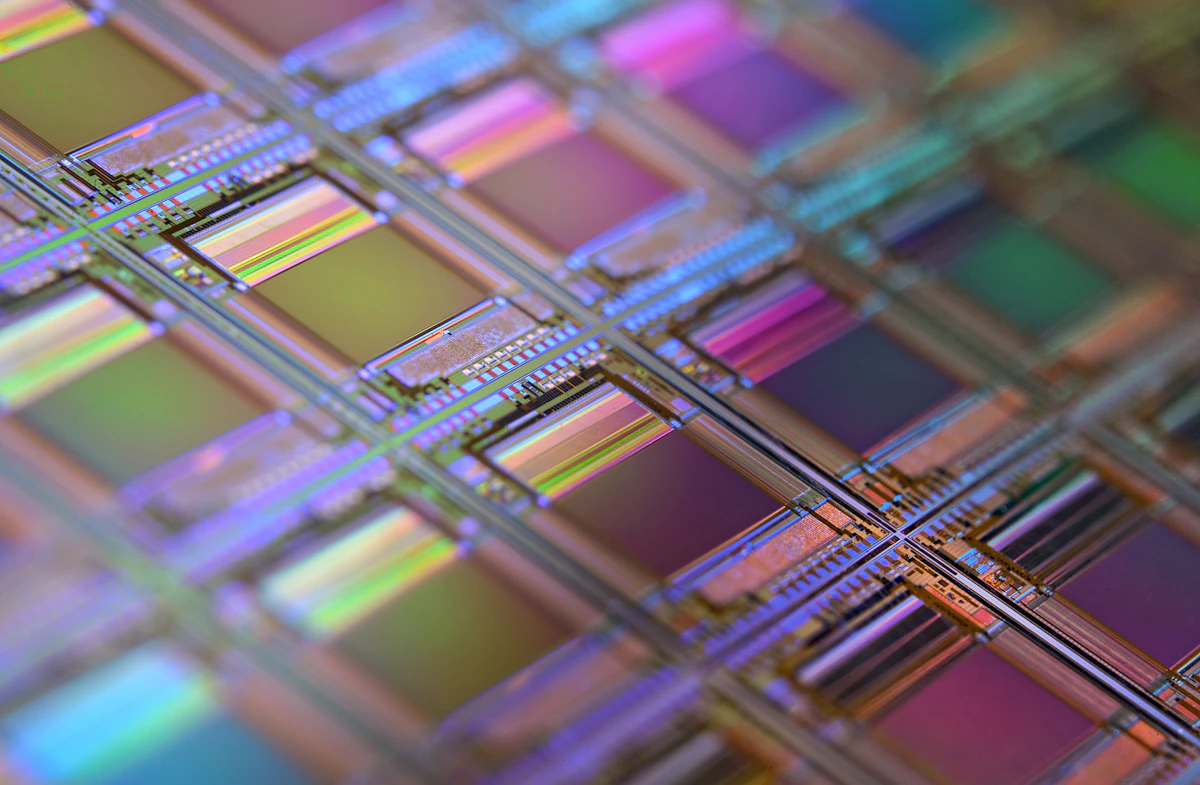
Building a chip fab from nothing is one of the hardest industrial undertakings on the planet — it can take a decade and tens of billions of dollars to reach the yields and precision that TSMC, Samsung, and Intel already have. Technology transfer is the shortcut: an established foundry licenses its process technology, sends engineers to train local staff, and helps stand up a new fab so a partner company or country doesn't have to reinvent the process from scratch.
This isn't charity — it's a business strategy for the licensor, and it happens to serve a broader industry goal too: spreading manufacturing capacity across more companies and countries reduces the risk of a single chokepoint (a natural disaster, a geopolitical flashpoint, a single company's capacity constraints) freezing the entire global electronics supply chain. TSMC still dominates the advanced foundry market — The Motley Fool cites Cointelegraph-style market data putting TSMC's share at roughly 73%, against Samsung's 7% — so nearly every technology-transfer deal in progress right now is, directly or indirectly, an attempt to chip away at that concentration.
Case Study: Tata Electronics and Taiwan's PSMC
The clearest real-world example is happening in Gujarat, India. In 2024, Tata Electronics completed a landmark technology-transfer agreement with Powerchip Semiconductor Manufacturing Corporation (PSMC) of Taiwan to build India's first commercial semiconductor fab, in Dholera. Under the deal, PSMC licenses a broad portfolio of process technology to Tata, provides design and construction support, and trains Tata's engineering teams — rather than PSMC investing capital directly in the plant itself.
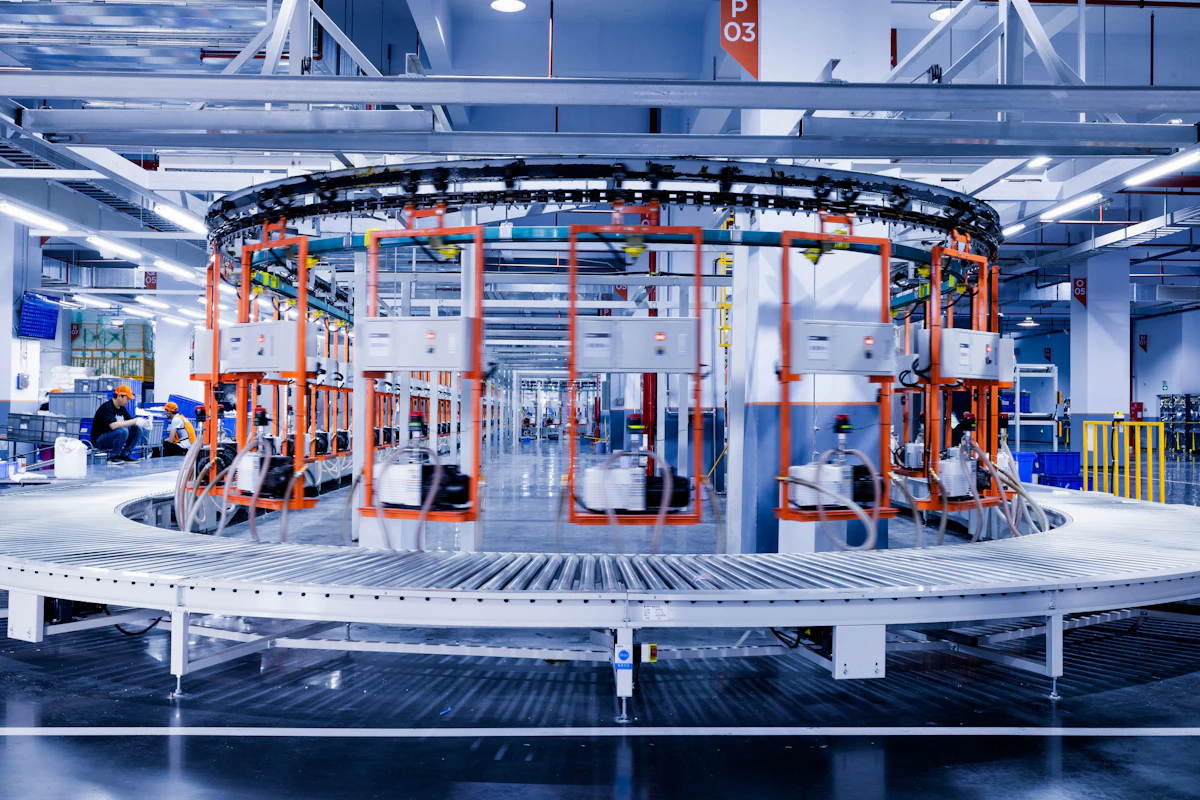
The numbers are sizable: a planned investment of up to ₹91,000 crore (roughly $11 billion), a target capacity of 50,000 wafers per month, and over 20,000 direct and indirect jobs, according to DigiTimes' coverage of the milestone. PSMC itself stands to earn more than NT$20 billion (about $620 million) over the project's lifecycle purely from consulting fees, technology licensing, and training — described by PSMC as its "Fab IP" strategy of monetizing expertise rather than building overseas plants itself.
This is one piece of a much larger pattern. Japan and India have separately signed government-to-government agreements to transfer production of older-generation semiconductor and display technologies to India, coordinated by Japan's JETRO and the Confederation of Indian Industry. It's also the same broader push behind Qualcomm taping out a 2nm chip design from India — design and manufacturing capability are both migrating toward a more geographically distributed chip industry, not staying locked in one country.
Japan's Bet: Rapidus and the Push to Undercut TSMC
Japan is running its own version of this strategy, but funded almost entirely by its own government rather than a foreign licensor. Rapidus, founded in 2022, is developing 2nm logic chips with the explicit goal of challenging TSMC's dominance — and Reuters reported in April 2026 that Japan's government approved an additional $4 billion for the company, bringing total state support to roughly ¥2.354 trillion. By July 2026, Bloomberg put cumulative Japanese government backing at $16.3 billion, and the Wall Street Journal reported that Tokyo has structured its investment so it could take a majority stake if Rapidus runs into financial trouble.
The pitch to customers is price: Rapidus reportedly plans to price its 2nm wafers at around $21,000, against TSMC's roughly $30,000, according to The Motley Fool, which also notes Rapidus is in talks with more than 60 potential customers. But Rapidus won't begin mass production until 2027 — a full year after TSMC's 2nm chips started shipping — and neither Samsung nor Intel, both far more established, have meaningfully dented TSMC's share. Realistically, Rapidus is a supply-chain diversification bet for its customers and for Japan's economic security, not an imminent threat to TSMC's pricing power.
Why Your Next Smartphone Still Costs More

Here's the catch with all of this: technology-transfer deals like Tata-PSMC and government bets like Rapidus are multi-year projects. Dholera's fab isn't targeting first chips until late 2026 at the earliest, and Rapidus doesn't reach mass production until 2027. None of that adds meaningful capacity to today's memory-starved market.
That's why, in the here and now, Yahoo Finance Singapore reported that smartphone vendors are having to choose between raising prices or quietly lowering specs — cutting camera modules, downgrading displays, or shipping less RAM at the same price point. Phison's CEO told a Chinese tech outlet that memory can account for over 20% of a smartphone's bill of materials — far more than the 5–6% for servers — which means device makers are competing directly with hyperscalers for the same limited memory supply, and often losing that fight on price.
Laptops: Same Squeeze, Different Aisle
The story is nearly identical for laptops, and it's not limited to any one brand. IDC estimates PC prices could rise 4–8% in 2026, per TipRanks, and that's on top of the RAM/SSD price spikes TechSpot documented rippling into graphics cards and hard drives too. If you're shopping around and want a machine that sidesteps some of this by letting you choose (and later swap) your own components instead of being locked into whatever spec a manufacturer ships at a given price, it's worth reading how the Framework Laptop's repairable, modular design approaches the problem differently.

Cars Aren't Immune Either
Modern vehicles now carry dramatically more onboard memory than they did even a few years ago, largely to run ADAS and infotainment systems — and that leaves automakers exposed to the exact same DRAM crunch hitting phones and laptops. The Drive reported that Micron, a major memory supplier to the auto industry, has shuttered its consumer RAM division (Crucial) specifically to redirect silicon toward AI data centers — a decision that squeezes automotive supply directly.
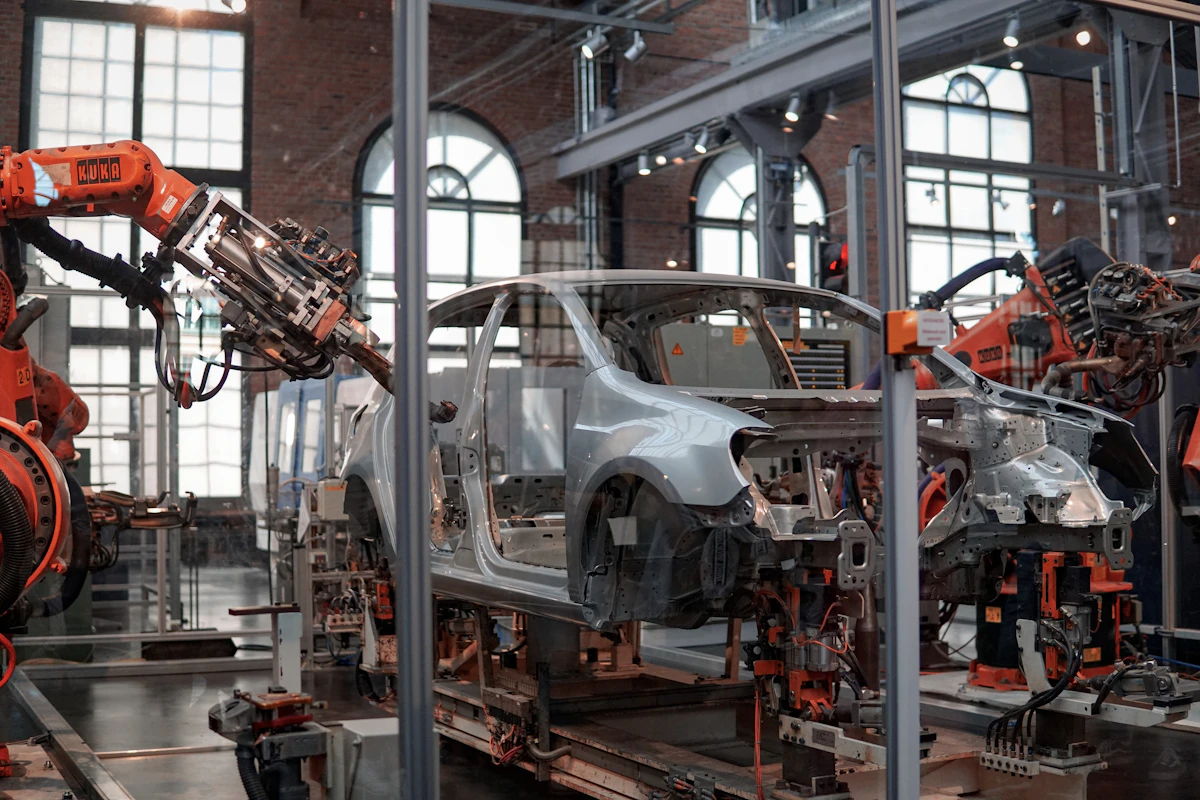
Some automakers are responding by rethinking their whole approach to sourcing and cost, not just chips. Ford's push to build a $30,000 electric truck using Formula 1-style engineering discipline is one example of a manufacturer trying to hold a price line by re-engineering the vehicle itself, rather than waiting for the semiconductor supply chain to sort itself out.
Does Spreading the Technology Around Actually Stabilize Prices?
The honest answer is: not yet, and not directly. Every technology-transfer deal covered here — Tata-PSMC, Rapidus, the broader Japan-India semiconductor partnership — is a multi-year infrastructure project. None of it adds wafer capacity in 2026, which is exactly when the memory shortage is at its worst.
What these deals do accomplish is reducing tomorrow's concentration risk. Right now, TSMC alone accounts for roughly 73% of global foundry output. A single company holding that much of the world's advanced chip production is a fragile arrangement — one earthquake, one geopolitical event, or one bad quarter can ripple through every phone, laptop, and car brand simultaneously. Spreading manufacturing know-how to more foundries, in more countries, is the industry's long-term insurance policy against that kind of shock, even if it does nothing to lower this year's prices.
What This Means for Buyers Right Now
- Don't expect near-term relief. The fabs being built through technology transfer won't reach volume production until 2027 at the earliest — this year's prices reflect today's memory shortage, not tomorrow's diversified supply chain.
- Watch for spec downgrades, not just price tags. Manufacturers are often protecting a familiar price point by quietly shipping less RAM, storage, or camera hardware — read the actual spec sheet, not just the sticker price.
- If you were already planning to buy, sooner is generally cheaper. Several manufacturers have said current retail pricing still reflects component contracts locked in before this year's cost spikes — that cushion is expected to fade as new contracts kick in.
- Diversified or repairable hardware can be a hedge. Devices built around modular, swappable components give you more control over when — and whether — you absorb a component price hike.
The Bottom Line
The rising prices on your next phone, laptop, or car aren't a pricing gimmick — they trace back to a real, global memory chip shortage that's been supercharged by AI data-center demand. The semiconductor industry's answer, technology transfer between established foundries like TSMC, Samsung, and PSMC and newer players in India and Japan, is a genuine long-term fix for supply concentration, not a quick price cut. If you're shopping this year, plan around the shortage as it actually stands: prices are up, specs are quietly getting trimmed, and the diversification that's supposed to stabilize the market is still a couple of years from showing up on a store shelf.
References
- The AI chip shortage could raise smartphone prices — CNBC
- Your Next Smartphone Will Cost a Lot More – Here's Why — TipRanks
- With AI Data Centers Scooping up RAM, Laptop Prices Could Spike in 2026 — Consumer Reports
- The Next Car Chip Shortage Is Coming. Blame AI — The Drive
- The memory shortage is driving up prices for SSDs, GPUs, and hard drives — TechSpot
- Phison CEO reportedly warns many consumer electronics companies may close by end of 2026 — VideoCardz
- Why Your Next Smartphone Could Have Lower Specs And A Higher Price — Yahoo Finance Singapore
- Tata Electronics and PSMC Complete Landmark Agreement for Technology Transfer — Tata Electronics
- PSMC-Tata fab milestone signals strengthening supply chain ties with Taiwan — DigiTimes
- Japan approves additional $4 bln for chipmaker Rapidus — Reuters
- Japan Bets $16 Billion to Propel Startup Rapidus Into AI Chips — Bloomberg
- Japan Government to Become Top Shareholder in Chip Maker Rapidus — WSJ
- A Potential New Rival Wants to Undercut TSMC — The Motley Fool
Frequently Asked Questions
Everything you need to know about the topic.

Janardan Pal
Writes to write
Writes hands-on buying guides and product reviews across home, tech, and everyday essentials. Focused on what actually matters before you spend.
