
Ford Motor Company is reworking its electric vehicle strategy as it pushes to develop a $30,000 electric pickup truck targeted for launch in 2027, using engineering lessons drawn from Formula 1 and a performance-based internal incentive system.
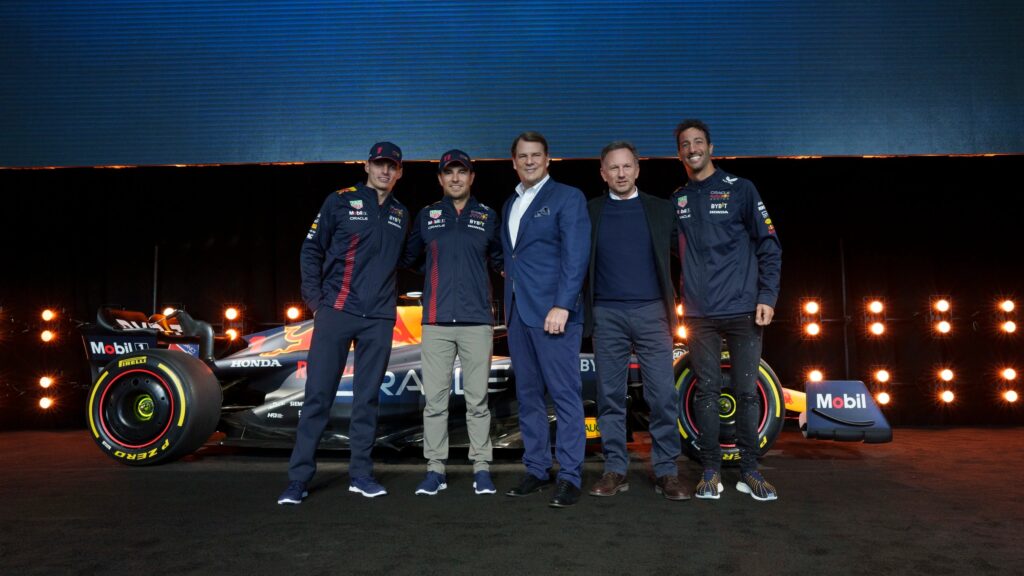
The automaker, which has invested billions in its EV lineup, is attempting to tackle one of the industry’s biggest challenges: affordability. While electric pickups such as the Ford F-150 Lightning have gained attention, high battery costs and thinner profit margins have slowed broader mass-market adoption.
Ford’s new approach focuses on efficiency rather than simply increasing battery size to boost range.
Engineering Efficiency Over Battery Expansion
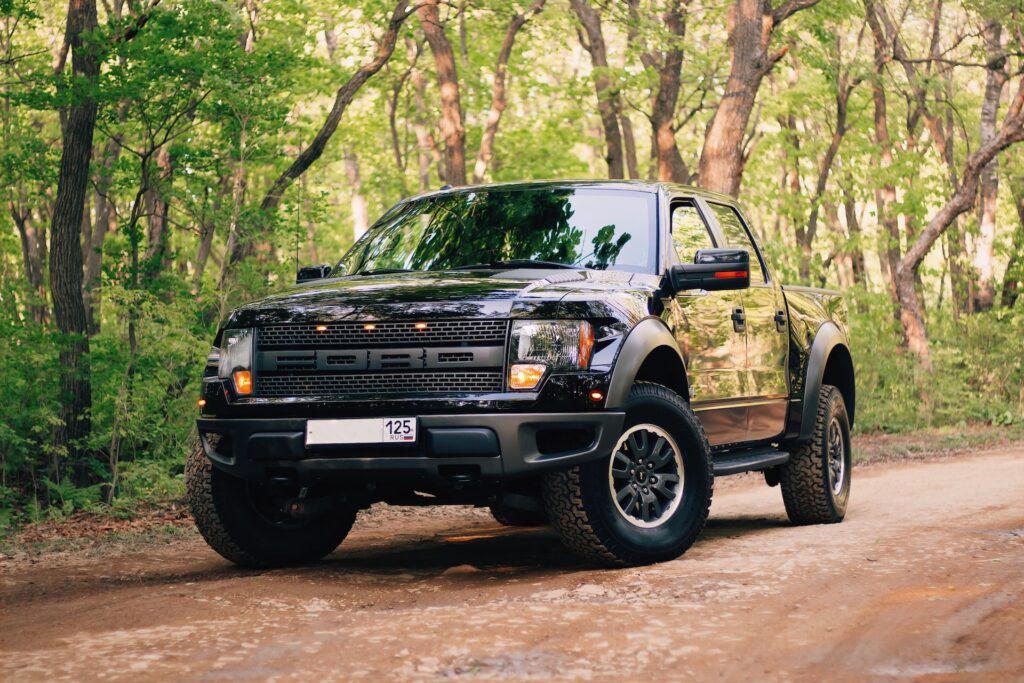
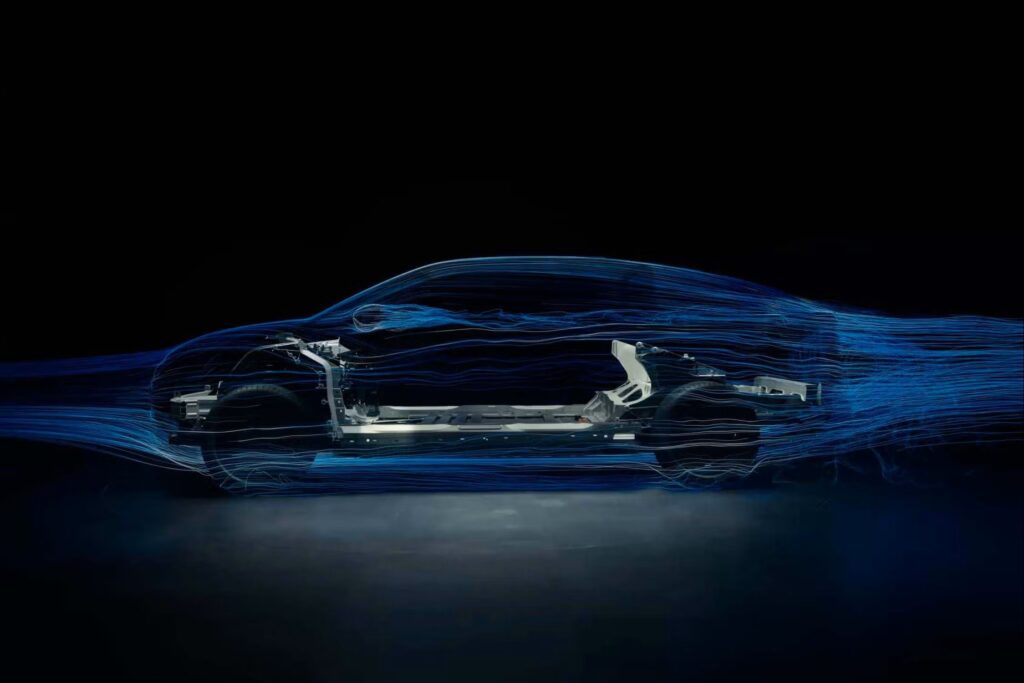
Ford put together a new group made of expert racing engineers. They use fast car tricks to build a light and sleek truck that moves well. In racing, tiny changes help cars move through the air much better. Ford wants to cut wind drag and weight on its next electric truck to save power.
This lets the truck drive far while using a smaller battery. Using a smaller battery will lower the total cost to build each truck for the market. The battery is always the most expensive part of an electric car. Smart design will help Ford reach its $30,000 price goal for this new truck. This truck will stay tough and strong for every owner.
Internal “Bounty” System to Drive Cost Reductions
Alongside engineering enhancements, Ford has developed an internal “bounty” system aimed to reward teams for measurable improvements in efficiency and cost savings.

Under the program:
- Engineers receive incentives for lowering car weight.
- Aerodynamic advances are tracked and quantified.
- Cost-saving technologies are financially valued within the project.
Teams measure how well cars move through the air to improve speed. Every new part must prove it saves money during the build. This system links design choices to clear profit goals for the firm. Old car makers often struggle when they try to build electric models. Rivals in the U.S. and China are moving very fast right now. These new firms focus on low costs and smart ways to build. Older brands face hard pressure to keep up with these new rules.
Market Pressure and Strategic Shift
Ford is spending a lot of money to build more electric trucks. Still, the high price is what stops most people from buying them. Right now, most electric trucks cost well over $40,000 in the U.S. That is too much for many families and small work crews.
A $30,000 electric truck would be a big deal for the industry. It would help more regular workers buy a new electric vehicle. Ford has not shared the battery size or driving range yet. They are also keeping the name and the factory site a secret.
Competitive Landscape Intensifies
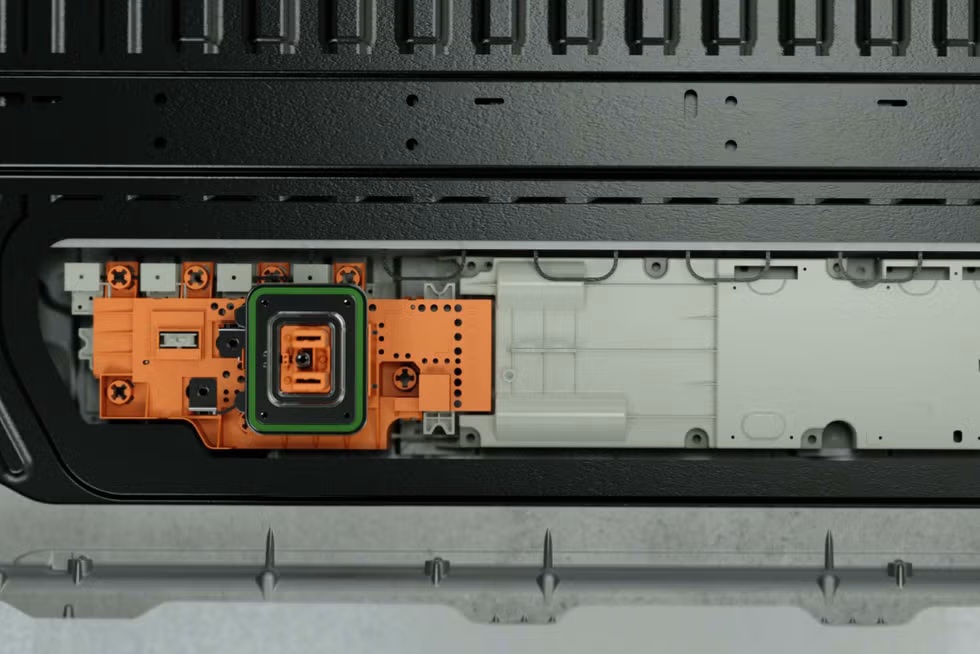
Car companies are fighting for buyers across the globe. Most brands want to use smaller batteries to lower their costs. Ford is using racing tricks to build new trucks faster. They are ready to change how they plan and build cars. Some experts doubt Ford can hit its 2027 price goal.
High costs for parts and metal might stop them soon. The market is now shifting away from fast sports cars. Right now, buyers want cheap cars that work well. A new $30,000 electric truck will be a big deal. It will help more people start driving new electric vehicles.
My Final Thoughts
Ford is changing their plan for electric cars. Success depends on value, not just high tech. Lowering the cost to build cars is now the main goal. A $30,000 truck will change the market for all buyers. This will help many people buy these cars at last. The next few years will show if this plan works. Some big goals fail when they meet real life. Ford is choosing smart design over huge batteries. This shows the market is getting more serious.