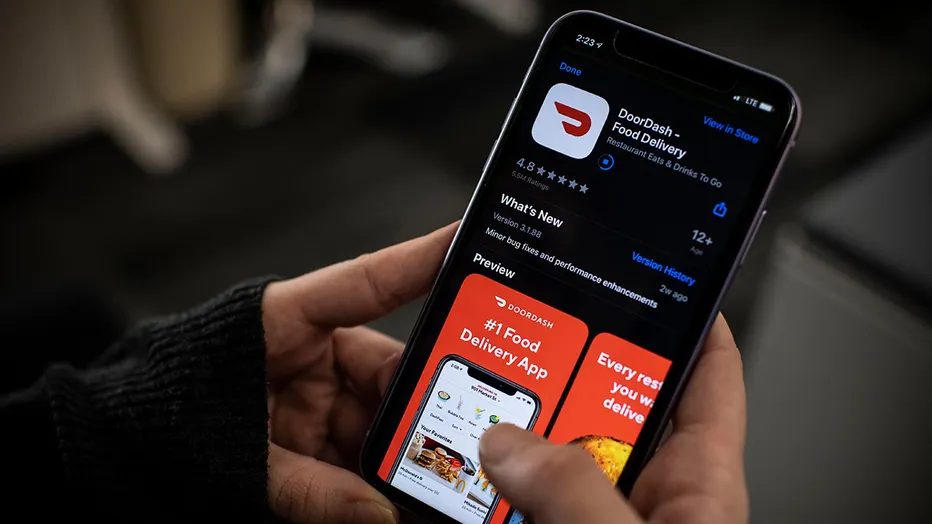
When I’m hungry and my fridge looks like a blank page, I usually reach for DoorDash. It’s quick, it’s familiar, and it gives me more choices than calling one restaurant and hoping they answer. For people who order food online a lot, the app can feel like a food court that comes to your door.
In this post, I’m sharing the DoorDash history, the DoorDashfounders story, how DoorDash works when I order, and the DoorDash features that actually help on busy nights.
DoorDash history: how a simple delivery idea turned into a major app
DoorDash started by solving a problem that still matters today: lots of local restaurants wanted delivery, but didn’t have drivers or the tools to manage it. Customers wanted the same thing I want now, reliable delivery without making five phone calls.
From a small test run, it grew fast. After early funding and a name change, DoorDash expanded into major US cities. Later, it went beyond restaurant meals. By 2020, it added grocery and convenience delivery, which made it useful even when I wasn’t craving takeout. In 2021, it expanded internationally by acquiring Wolt.
That growth also shows up in market position. As of March 2024, DoorDash held about 67% of the US food delivery market share (based on the latest available public estimates in the data I reviewed), which helps explain why it often has wide coverage.
The DoorDash founders started with a scrappy test in Palo Alto
The DoorDash founders were four Stanford students (Tony Xu, Andy Fang, Stanley Tang, Evan Moore) who started in 2013 after talking with local business owners. Their early experiment, PaloAltoDelivery.com, wasn’t polished. They built it fast, ran it from a dorm-room setup, and delivered orders themselves. They even handled the first couple hundred deliveries, which made the service feel real, not theoretical.
From campus flyers to national scale, why DoorDash grew so quickly
Soon after, they joined Y Combinator in 2013 and changed the name to DoorDash. Then expansion followed into larger cities like San Francisco, Boston, and Chicago. Growth came down to basics: more restaurant choices, better coverage, and delivery that people could track instead of guess.
DoorDash Growth and Global Expansion
DoorDash has grown rapidly since its launch.
Some major statistics:
- Operates in 40+ countries worldwide
- Serves 46+ million users
- Works with 590,000 restaurants and stores
- Handles billions of orders annually
How DoorDash works when I place an order (and what happens behind the scenes)
Here’s how DoorDash works in practice. First, I open the app, pick a restaurant or store, and customize items. Next, I pay in the app and see the total, which can include a delivery fee, service fee, taxes, and my tip. Then a Dasher accepts the order, picks it up, and drives it to me while the app updates the ETA and map.
What I see in the app from checkout to live tracking
I see menus, item notes (like allergies or “no onions”), and delivery instructions. During delivery, I watch live tracking and the estimated arrival time. If I want fewer problems, I double-check my address and add clear directions (gate code, building name, “leave at door”).
What Dashers do, including stacked orders and timing
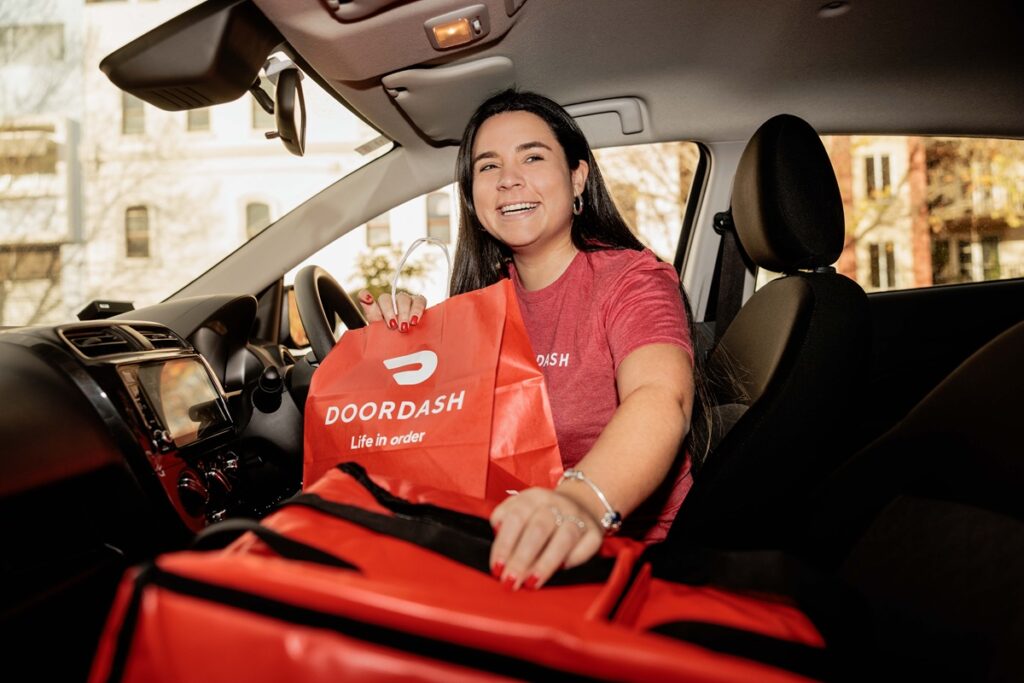
Dashers are independent workers who accept deliveries in the Dasher app. A stacked order means one Dasher handles multiple deliveries in a single trip, usually with a planned route. Timing often lands around 30 to 45 minutes, but traffic and restaurant waits can stretch it.
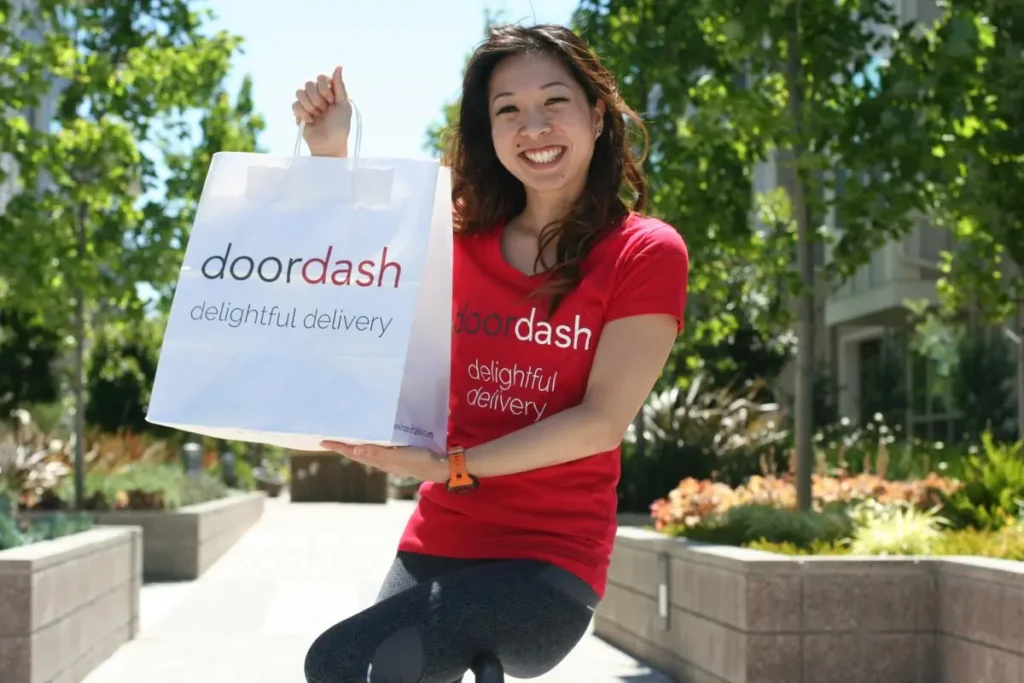
DoorDash features I actually use (and how they compare to other food delivery apps)
Across food delivery apps, the basics look similar: search, pay, track, tip. Still, DoorDash stands out for coverage in many areas, late-night options in some markets, and tracking that feels easy to read when I’m impatient.
DashPass, deals, and smart re-ordering for busy nights
DashPass is a membership that can reduce delivery fees on eligible orders and also lower some service fees. I also use deals when they’re straightforward, plus “reorder” and favorites to save time. One caution always applies: I review the final total before paying, because fees can shift the math.
Delivery preferences that help my order arrive right the first time
I rely on leave-at-door, contactless drop-off, and photo proof when available. Drop-off notes matter more than people think, especially in apartments. For convenience items, substitutions can save the order. Tipping also affects delivery quality, because it helps my order get picked up faster.
Final Words
DoorDash started as a simple fix for local delivery, and that DoorDash history still shows in how the service runs today. Once I understand how DoorDash works, I get fewer surprises at the door. The best DoorDash features for me are clear tracking, reordering, and delivery preferences that prevent mistakes. Before you place your next order, check fees, add specific directions, and use favorites or DashPass if you order often.